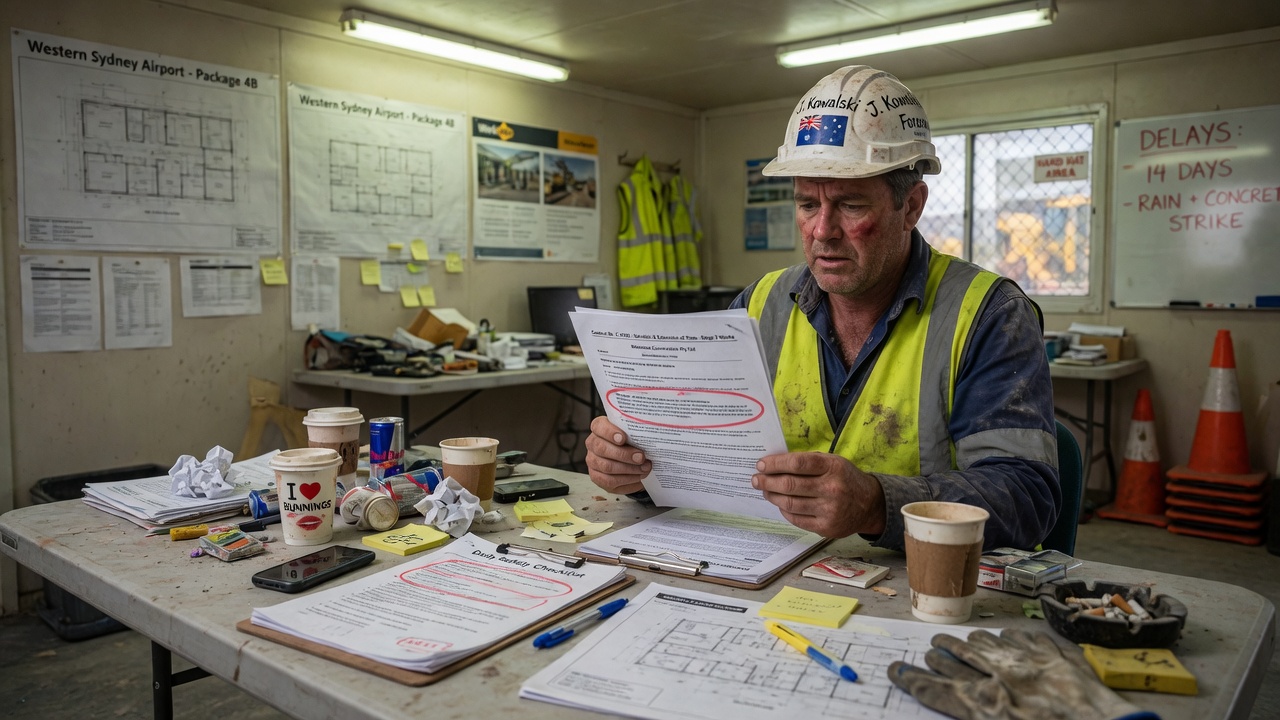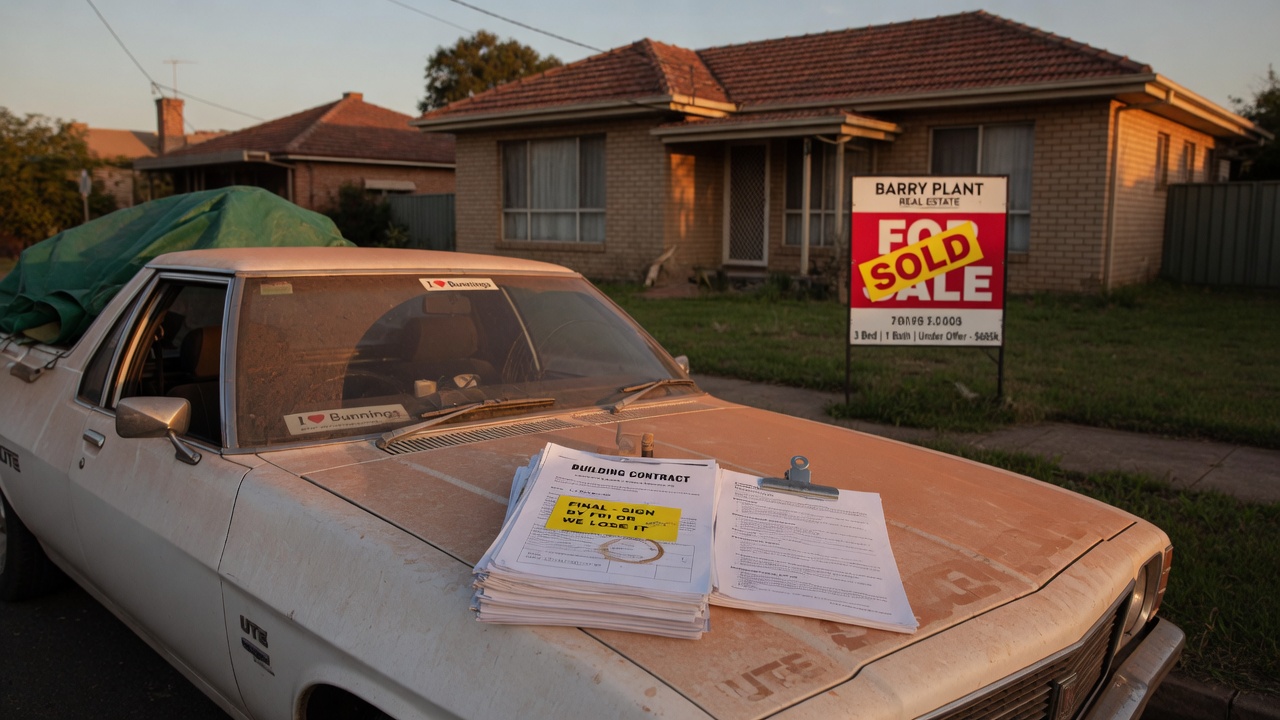
You earned it. You did the work. But when that builder goes insolvent, you become just another unsecured creditor in a very long queue.
It's the money you've earned but don't get paid. Your retention. Maybe 5%, maybe 10% of every invoice. It sits in someone else's account, promised back to you when the job's done. Practical completion comes around, you finish your work clean, and you're expecting that chunk. Then the head contractor goes under, takes your retention with them, and suddenly you're third in line to get paid. If you're lucky, you'll see 15 cents in the dollar.
This happens. A lot.
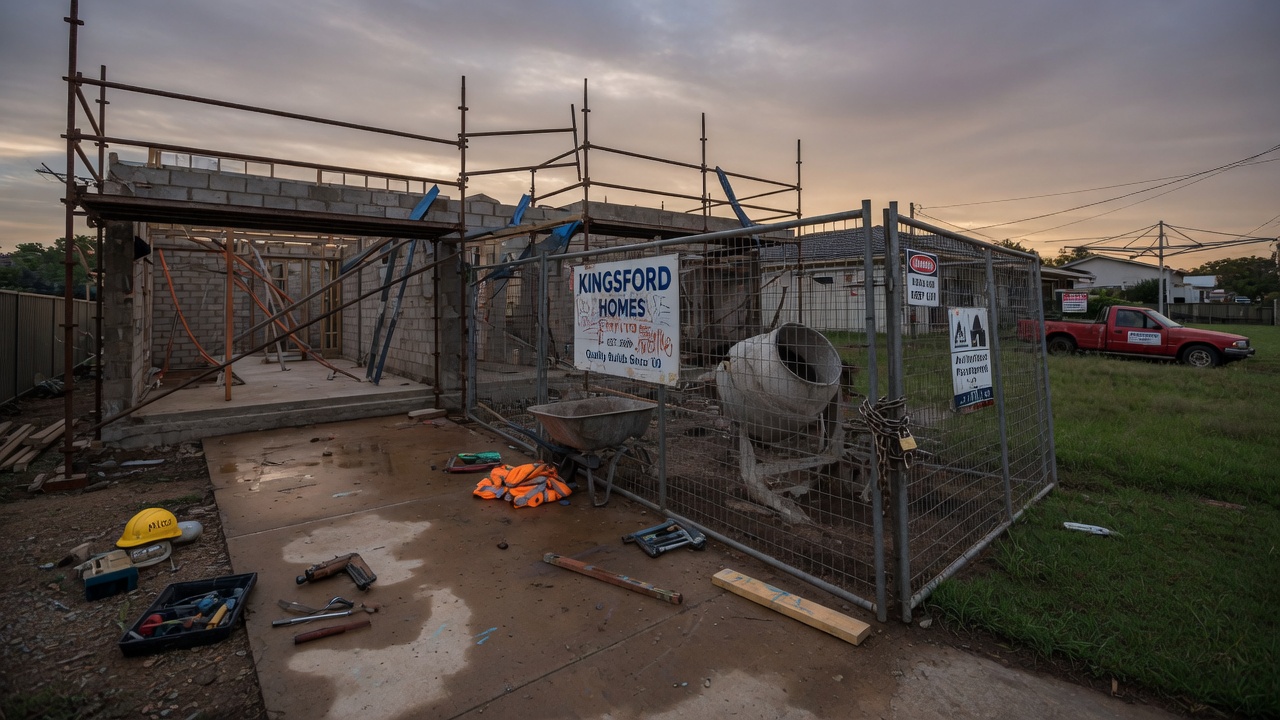
Last year, over 100 construction companies collapsed in Australia. Some were big. Most weren't. Doesn't matter the size — when a builder goes insolvent, subbies become unsecured creditors. You're behind the bank. Behind the tax office. Behind the equipment finance company. The retention you earned? It goes into the pool with everyone else's money, and there's barely anything left.
Retention was meant to be insurance. The head contractor holds back a chunk of your payment to protect themselves. If you stuffed up the work or disappeared halfway through, they could use your retention to fix it or find someone else. Fair enough.
But there's a problem. Your retention isn't held in trust. Not in most states. It sits in the builder's bank account, mixed in with everything else — wages, site expenses, new project cash. It's not your money. Not yet. Legally, it's their money, held on the condition that you perform your part. And when the builder runs into trouble, your money is the first thing creditors fight over.
This is what actually happens.
A mid-sized building company gets into trouble. Maybe a major project went over budget. Maybe interest rates spiked and the owner got squeezed. Maybe they just ran the numbers badly. Doesn't matter. Within months, cash flow dries up. They start paying late. The delays get longer. You're waiting 45 days instead of 30. Then 60 days. Then they stop answering the phone.
By the time you find out they're insolvent, it's over. The creditors' meeting has already happened. A receiver's been appointed. And they're looking at a company with $1.5 million in debts and maybe $300k left to distribute.
Who gets paid first? Not you.
And your retention? It was never your money. It was theirs. So you're competing for it with every other unsecured creditor — suppliers, other trades, contractors who did work for the builder on other jobs.
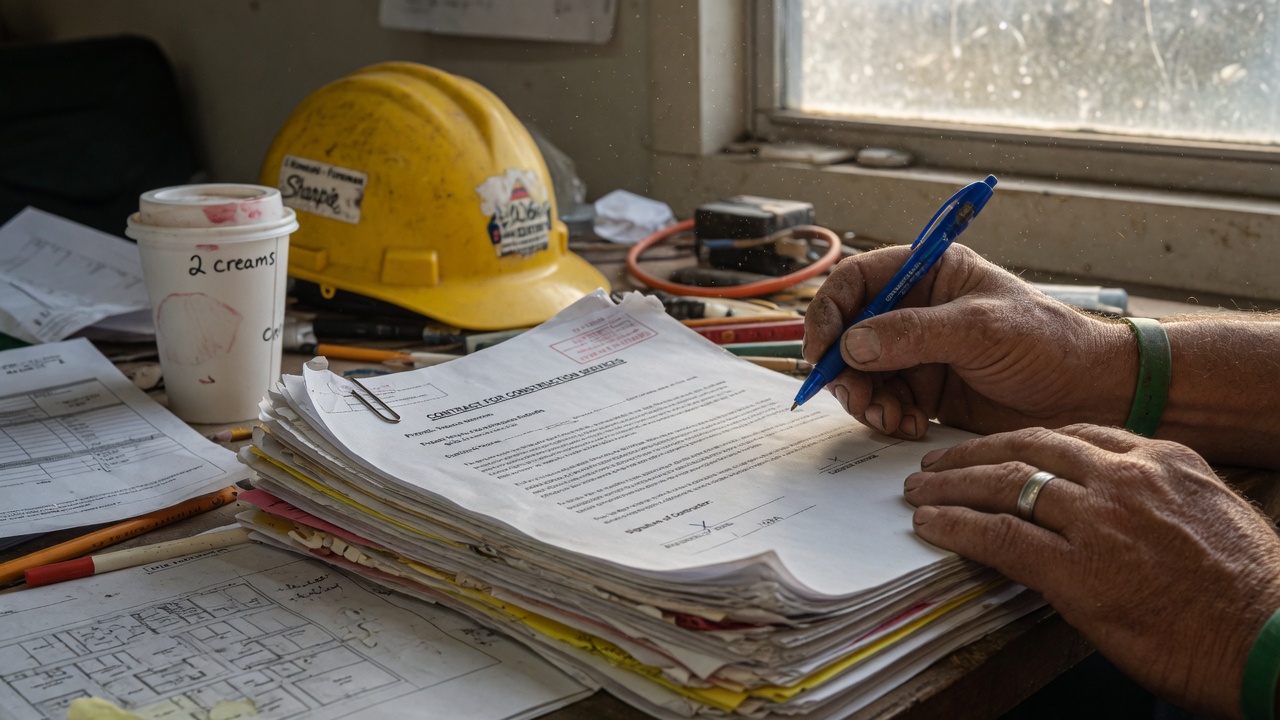
You'd think your contract would say something about this. It doesn't. Most standard form subcontract agreements — even the well-known ones like AS4902 — don't build in protection for insolvency. They assume the head contractor's good for it.
They're not.
Some contracts do say what happens if retention isn't paid by a certain date. But most say nothing. The clause just says your retention gets paid at practical completion. It doesn't say where it's held, how it's protected, or what happens if the builder goes bust before completion.
And here's the thing — even if your contract says retention gets paid at practical completion, practical completion often comes months after you finish your actual work. You're done. Your retention is sitting in their account. And they're insolvent. You can't claim it. You join the queue.
Some states have started to act. Queensland's trust account legislation requires head contractors to hold retention money in trust for subbies — separate from the builder's operating account. If the builder goes under, that money is still yours. NSW has similar rules in their security of payment law, though the protection is less absolute. WA's got trust account laws too. But Victoria, South Australia, Tasmania? Nothing mandatory yet. The law's the same as it was 20 years ago.
Even where trust accounts exist, protection's only as good as the enforcement. A dodgy builder might ignore the rules, mix retention into their operating account anyway, and by the time anyone catches it, the money's gone.
The real protection is knowing what you're signing. And knowing what retention language actually protects you.
Check these things before you sign.
Is retention money held in a separate trust account? That's the big one. If the contract says the head contractor holds retention in trust, and they're in a state with trust account laws, you've got a fighting chance if they go under.
What's the timeframe for payment after practical completion? If it says 30 days, that's a problem — it's long enough for things to go wrong. If it says 7 days, it's better. Shorter is always better.
Is there a retention bond option? Some contracts let the head contractor put up a bond instead of holding cash. That's sometimes better — the bond company's on the hook, not the builder's cash account.
Is retention capped? Unlimited retention is a nightmare. If you're on a $200k job and they're holding 10% retention indefinitely, that's $20k tied up. A reasonable contract caps retention and sets a release date.
And the uncomfortable one: Is the head contractor solid? This isn't a contract question. It's a reality check. If they're 12 months into a 24-month project and they've already had cashflow issues, you already know what's coming. You don't have to take the work.
Most subbies don't check this stuff. You just sign the contract the head contractor sends over. You do the work. You invoice. You wait for your retention.
When the builder goes under, you find out the hard way that you were an unsecured creditor the whole time.
The answer isn't complicated. It's just annoying. Before you sign, read the contract. Know where your retention sits. Know what state laws protect you and which don't. Know when you'll actually get paid.
Your retention money is part of your wage. Act like it.
If you're not sure what your contract actually says — or whether the retention clauses protect you or bury you — check it before you sign. Your contract's basically a credit score. A bad one can cost you thousands.
Upload your contract, get a risk report, and see what you're actually agreeing to.
Upload your subcontract and get a free risk report in under 60 seconds. See exactly where you're exposed.
Check my contract — it's free